Blog / Annapolis Toyota Service

How to Find a Quality Collision Repair for Your Toyota

A high-quality collision repair doesn't just repair damage to your car it removes any sign there was damage in the first place. As your Toyota dealer, our collision center can provide this level of quality. We'd like to tell you some of the reasons why we're your best choice for damage repairs.

Toyota-Trained Technicians

Your car was built by Toyota, and no one knows more about it than our Toyota-trained technicians. Each of our technicians undertakes a comprehensive training program at the Toyota factory. During this training, they learn everything there is to know about each vehicle in the Toyota range. This training is regularly supplemented by courses on new features and Toyota models, so their knowledge is always current. You could choose a regular mechanic for a repair, but they won't have this level of knowledge and understanding. Regular mechanics work on a variety of different makes and models, while our technicians are specialists. As a specialist, they can repair damage faster and more precisely than a regular mechanic. Their familiarity also means there's no chance of any mistakes or errors.

Toyota Parts

Your Toyota is built from genuine parts, and these will always be the best replacement available. Toyota parts are specifically designed for your model and they will fit precisely and work the same as your original parts did. Genuine parts must match international standards of quality and safety. Aftermarket parts are available, but they are not a substitute for a genuine Toyota part. An aftermarket part is designed to fit a variety of different vehicle makes and models. This means an aftermarket part is made to a standard specification. This standardization presents problems when you install them as an aftermarket part might not fit. These parts also don't carry a warranty. For these reasons, we will never aftermarket parts in our repairs.

State-of-the-Art Technology

Repairing a car doesn't involve just tools like a spanner and hammer anymore. Your Toyota is an advanced piece of automotive engineering, from its paint job to its wiring and computer system. A repair requires the correct diagnostic tools and equipment to create the perfect repair. As a dealer, we have the advanced equipment available to ensure flawless repair. An independent repair shop, in contrast, won't have the same specialized diagnostic tools available. This forces regular mechanics to fall back on their training. Since regular mechanics don't have specialized knowledge of your Toyota, there's always the potential for a mistake or a flawed repair. These are only some of the reasons to choose us for your repair. If you'd like to know more or want to book a repair, call us at Koons Annapolis Toyota. Image courtesy of Pexels

Posted in:

Related Posts

3 Engine Problems You Should Never Wait to Get Fixed

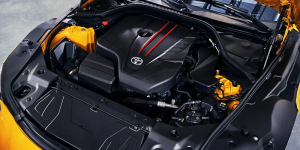
Over time, engine components wear out and need replacement. As your Toyota dealer in Annapolis, MD, we have the technicians and technology to repair any problem for you. These are a few of the engine problems that need to be fixed right away in our service department. Dirty Intake Manifold The intake manifold is the part of your engine where fuel and air mix before they're injected into the cylinders. Efficient combustion requires a precise 14:1 ratio of air to fuel. A large amount of air is essential for the spark plugs to ignite the mixture. Dirt and carbon can build up in the manifold, and these contaminants will affect your engine's combustion. Carbon can create blockages in the manifold as it solidifies. Its presence also reduces the percentage of air in the fuel-air mix. A lack of air in the mixture creates a fuel-rich engine environment. This increases your fuel consumption, as the lack of air means most of the fuel can't burn. It will also lead to damage to the spark plugs and other engine components. We can clean the manifold to resolve this problem. Dead Battery Your  battery can fail due to age or lack of recharging from a worn alternator. On average, a car battery has a service life of three to five years before it needs replacement. We advise getting a battery check after three years to ensure your battery is still in good condition. A worn alternator could be the cause of the battery problem. As the alternator ages, it can't supply the level of power it once did. The reduced power supply will affect all your car's systems and prevent the battery from being fully charged. If the battery isn't recharged, it will gradually run out of power and die. We can test the alternator and replace it with a new one if it's failing. Damaged Oxygen Sensors Oxygen sensors are installed in the exhaust and monitor the amount of oxygen in the exhaust smoke. This information is used to adjust the air-fuel mix in your engine. If the sensors show a low of oxygen, more oxygen must be released into the engine. The sensors can wear out over time, and this will cause problems for your engine. Failed sensors will report little information, which means your computer will have to guess the amount of air to balance fuel in the manifold. This is an impossible job and will cause misfiring and even stalling. Our technicians can test and replace the sensors. These are a few of the issues we can fix. If you have a problem, call us right away at Koons Annapolis Toyota. Image courtesy of Toyota

How to Tell When Your Toyota Needs a Radiator Repair

Your Toyota's radiator is an essential part of your engine's cooling system. An engine runs hot, but this high temperature can rapidly cause damage to the engine. Your radiator's function is to act as a heat exchange system, swooping hot air from the engine for cool air from the outside. If you need a radiator repair, as your Toyota dealer we can fix it for you. These are a few signs you may need to see us very soon. Signs You Need a Radiator Repair at Your Annapolis, MD Toyota Dealer Damaged Thermostat Your engine operates best at a temperature range between 195 F and 220 F. Continually running at a high temperature can cause damage to your engine. Once the temperature reaches 180 F, coolant will be released into your engine to reduce the temperature. The coolant absorbs heat from the engine and transports it to the radiator where it's cooled. The thermostat controls the release of coolant. A damaged thermostat will jam either open or closed. If the thermostat jams open, your engine temperature will be too low due to the continual flow of coolant. If the thermostat jams closed, it won't release any coolant regardless of how hot the engine becomes. Without a flow of coolant to reduce the temperature, your engine will start to overheat. Our technicians can easily replace the thermostat. Damaged Water Pump As we've seen, coolant is released when your engine temperature rises over 180 F. The coolant is pumped through your engine at a high speed, and it absorbs heat as it moves through the system. When the coolant reaches your radiator, it flows into rows of thin aluminum tubes. Outside air flows over the tubes and cools the hot coolant inside. The coolant then recirculates through the system. If the pump is damaged, coolant will still be released, but it won't be pumped through the system. Without the coolant to absorb the engine heat, your engine temperature will rapidly increase. A water pump is easy and quick to install, and our expert technicians will replace it for you. Leaking Coolant Coolant is essential to keep your engine temperature under control. It isn't consumed as it works, which means a lack of coolant must be due to a leak in the cooling system. Leaking coolant is usually easy to spot, as it's pink, green, yellow, or blue. If you see a puddle in any of these colors under your car, there's a problem. Coolant can leak from numerous places, including the radiator hoses, a crack in the radiator itself, or the coolant reservoir. One of the first signs of a coolant leak is a sudden increase in your engine temperature. The more coolant your engine loses, the faster your engine temperature will rise. It's dangerous to drive without coolant, and we advise calling us ASAP if you see or suspect a coolant leak. Most radiator problems can be quickly and easily repaired. Call our service department at Koons Toyota Annapolis, and our experts will find and fix the problem for you.

Time for a Brake Repair? Visit Your Annapolis Toyota Dealer

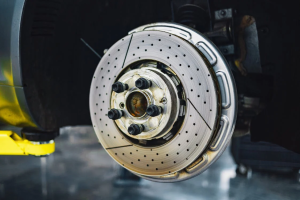
Good brakes are essential for you to be able to drive safely. They allow you to control your speed at any time. Brakes can suffer wear and tear, and it's important to get a brake repair ASAP. As your Toyota dealer in Annapolis, MD, we're here to repair them for you. These are some of the reasons you'll need to come in and get your brakes checked. Visit Your Toyota Dealer for a Brake Repair Today Pulling to One Side It's frightening when you hit the brakes and your car pulls to one side unexpectedly. This bizarre reaction is caused by a fault with the brakes on one side of your car. When you use the brakes, brake fluid under pressure is forced into the brake hoses. This fluid exerts hydraulic pressure on the calipers that sit above the wheel rotors. These calipers will be squeezed against the rotors, and this movement slows and stops your wheels. Two main events can cause your car to veer. A caliper pin can stick and prevent the caliper from pressing against the wheel rotor to stop it. Alternatively, a blockage in the hose can prevent brake fluid from forcing the caliper against the rotor. The brakes on one side of your car will work, and that wheel will stop. Your car will automatically veer towards the side of the working brake. Screeching Brakes Your calipers and rotors are both metals. To prevent the damage of metal-on-metal, brake pads are fitted into the calipers. These pads have a friction coating, which assists in stopping your car. It also prevents the two metals from touching each other. The friction coating will slowly wear off each time you use the brakes. When the material has worn down to a certain point, it exposes a piece of metal placed in the pad by the manufacturers. The piece of metal serves as a warning that your brake pads have worn thin and need to be changed. The next time you brake after the metal piece has been revealed, you'll hear a terrible screeching sound. The metal piece will scratch against the wheel rotor. Although it sounds horrible, your brakes are not about to fail. You do, however, need to bring your car to us so we can replace the pads. Boiling Brake Fluid A hot chemical smell when you brake, is a sign of brake trouble. This is most noticeable in hot weather and when you've been using the brakes frequently. The brake fluid in the hoses is under pressure, and pressure generates heat. Each time the brake is released, the fluid should flow back and cool down. Frequent braking will prevent the fluid from cooling, and it can start to boil. Hot brake fluid has no hydraulic power, and this means your brakes are in danger of failing. Call us ASAP so we can fix the problem. If you have a brake issue, call us right away at Koons Toyota Annapolis, and we'll fix it for you.   Image courtesy of Pexels